
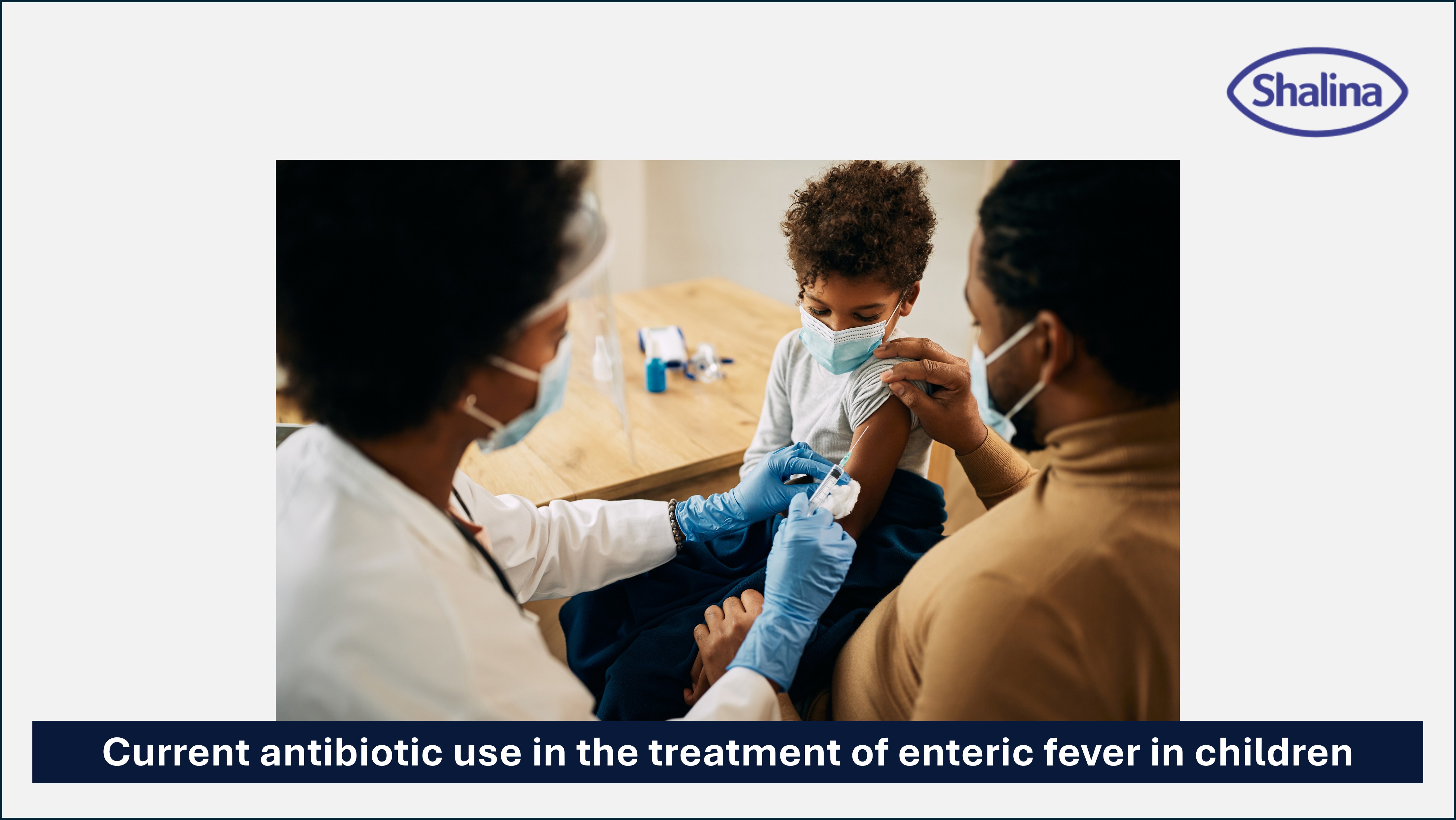
A study conducted at a tertiary care hospital in North India examined current antibiotic use in children with typhoid fever, amid growing concerns of antimicrobial resistance. Among 128 children studied, 45% were culture positive, with Salmonella Typhi accounting for 68% of cases and S. Paratyphi A for 32%. Hospitalized patients (n=30) had a mean fever duration of 9.5 days and an average stay of 10 days, receiving ceftriaxone for an average of six days. In the outpatient department (n=98), cefixime was the most prescribed antibiotic. Around 10% of patients showed clinical non-response, requiring additional antibiotics. The findings suggest ceftriaxone and cefixime remain first-line therapies for pediatric typhoid fever, but resistance and treatment failure warrant careful monitoring.
Select Content Type
Resources
Interests
Cardiology
Dermatology
Emergency Medicine
Endocrinology
ENT
Gastroenterology
Hematology
Immunology Allergy & Inflammation
Infectious Disease & Vaccines
Internal/Family Medicine
Neurology
Obstetrics & Gynecology
Oncology
Ophthalmology
Orthopedic
Pain & Anesthesiology
Pediatric Medicine
Psychiatry
Pulmonology
Radiology
Rheumatology
Surgery
Urology & Nephrology
Speciality
Cardiology
Dentistry
Dermatology
Emergency Medicine
Endocrinology
ENT
Gastroenterology
Geriatrics
Hematology
Immunology Allergy & Inflammation
Infectious Disease & Vaccines
Internal/Family Medicine
Medical Genetics
Neurology
Obstetrics & Gynecology
Oncology
Ophthalmology
Orthopedic
Pain & Anesthesiology
Pathology
Pediatric Medicine
Pharmacology
Psychiatry
Public Health
Pulmonology
Radiology
Rheumatology
Surgery
Urology & Nephrology
Thumbnail Image

Detail Image
Book Detail
Upload PDF
Actions
Download in App
Countries of release
India
Nigeria
UAE
IS_Ebsco
false
Description