
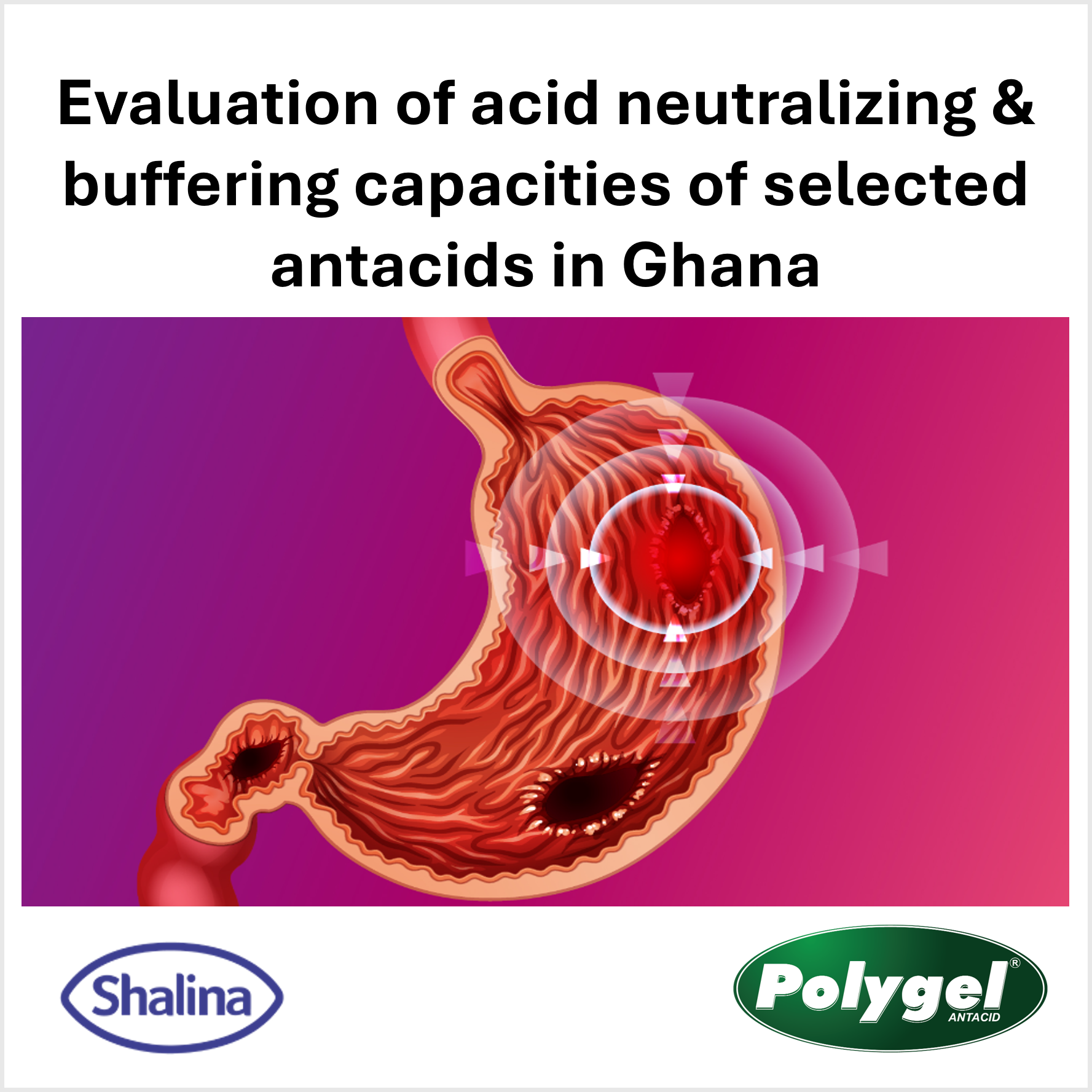
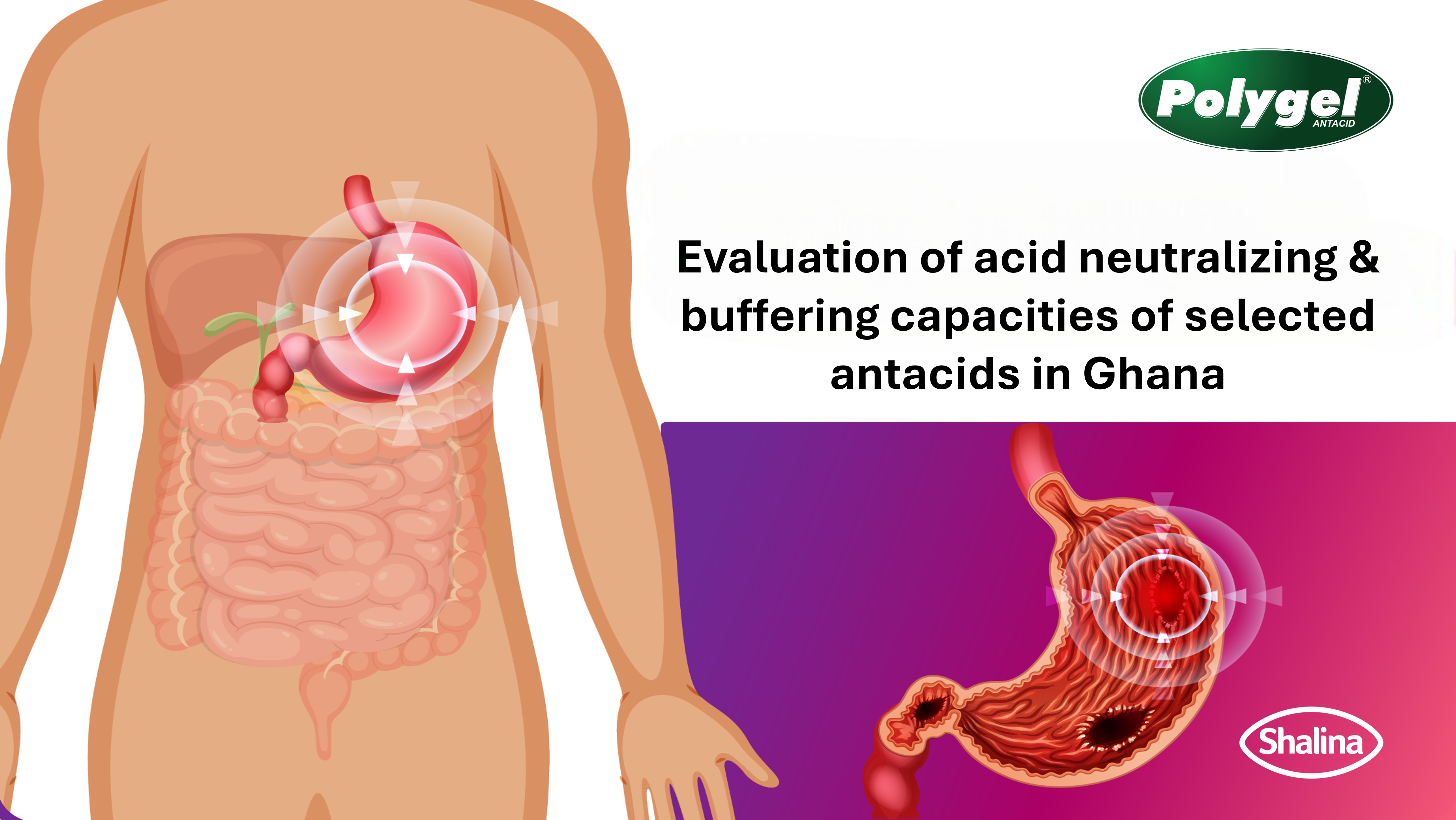
A recent study in Ghana evaluated the acid neutralizing and buffering capacities (BC) of nine commercial antacid brands (“L1–L9”), all containing aluminum hydroxide and magnesium hydroxide, with 67% also including simethicone. Using standard tests at 37 ± 3 °C, all brands qualified as antacids with preliminary antacid test (PAT) pH above 3.5, and acid neutralizing capacities (ANC) well above the acceptable 5 mEq/g, ranging from 13.16–20.70 mEq/g. Brand L9 showed the highest ANC and superior buffering capacity, while L4 had the lowest ANC and L6 the least buffering. The study found no correlation between cost and efficacy, as both low- and high-priced brands performed within acceptable limits. Researchers recommend that manufacturers display ANC and BC values on product labels to ensure quality, effectiveness, and value for money.
Select Content Type
Resources
Interests
Cardiology
Dermatology
Emergency Medicine
Endocrinology
ENT
Gastroenterology
Hematology
Immunology Allergy & Inflammation
Infectious Disease & Vaccines
Internal/Family Medicine
Neurology
Obstetrics & Gynecology
Oncology
Ophthalmology
Orthopedic
Pain & Anesthesiology
Pediatric Medicine
Psychiatry
Pulmonology
Radiology
Rheumatology
Surgery
Urology & Nephrology
Speciality
Cardiology
Dentistry
Dermatology
Emergency Medicine
Endocrinology
ENT
Gastroenterology
Geriatrics
Hematology
Immunology Allergy & Inflammation
Infectious Disease & Vaccines
Internal/Family Medicine
Medical Genetics
Neurology
Obstetrics & Gynecology
Oncology
Ophthalmology
Orthopedic
Pain & Anesthesiology
Pathology
Pediatric Medicine
Pharmacology
Psychiatry
Public Health
Pulmonology
Radiology
Rheumatology
Surgery
Urology & Nephrology
Thumbnail Image
Detail Image
Book Detail
Upload PDF
Actions
Download in App
Countries of release
India
Nigeria
UAE
IS_Ebsco
false
Description