Licorice

Select Content Type
Briefs
Authored By
Shalina MedSpace
Authored On
Interests
Cardiology
Dermatology
Emergency Medicine
Endocrinology
ENT
Gastroenterology
Hematology
Immunology Allergy & Inflammation
Infectious Disease & Vaccines
Internal/Family Medicine
Neurology
Obstetrics & Gynecology
Oncology
Ophthalmology
Orthopedic
Pain & Anesthesiology
Pediatric Medicine
Psychiatry
Pulmonology
Radiology
Rheumatology
Surgery
Urology & Nephrology
Speciality
Cardiology
Dentistry
Dermatology
Emergency Medicine
Endocrinology
ENT
Gastroenterology
Geriatrics
Hematology
Immunology Allergy & Inflammation
Infectious Disease & Vaccines
Internal/Family Medicine
Medical Genetics
Neurology
Obstetrics & Gynecology
Oncology
Ophthalmology
Orthopedic
Pain & Anesthesiology
Pathology
Pediatric Medicine
Pharmacology
Psychiatry
Public Health
Pulmonology
Radiology
Rheumatology
Surgery
Urology & Nephrology
Thumbnail Image
Licorice_thmbnl
Detail Image
Licorice_mbl
Book Detail
Upload PDF
Licorice.pdf (112 KB)
Actions
Download in App
Countries of release
India
Nigeria
UAE
IS_Ebsco
false
Description

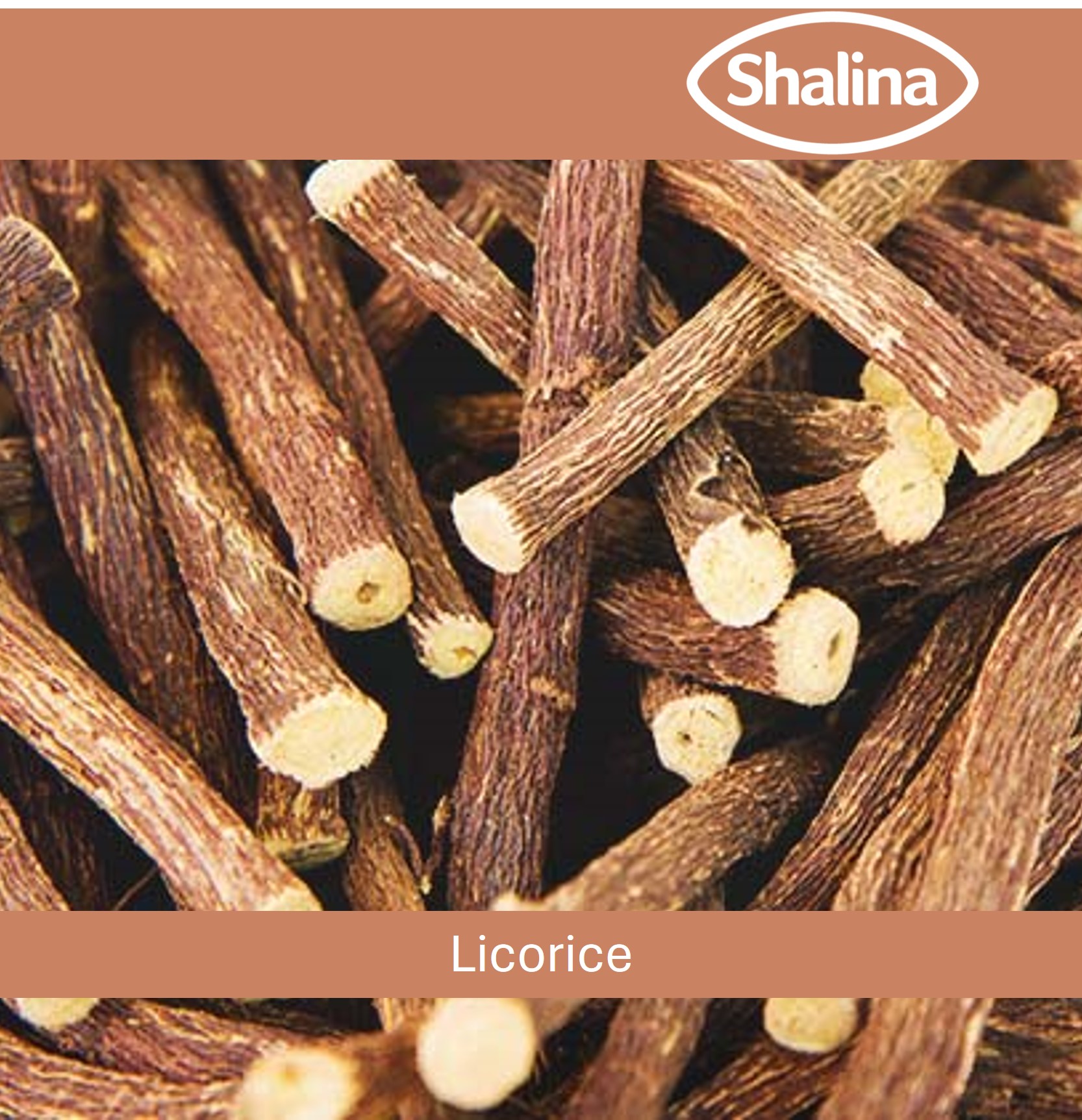
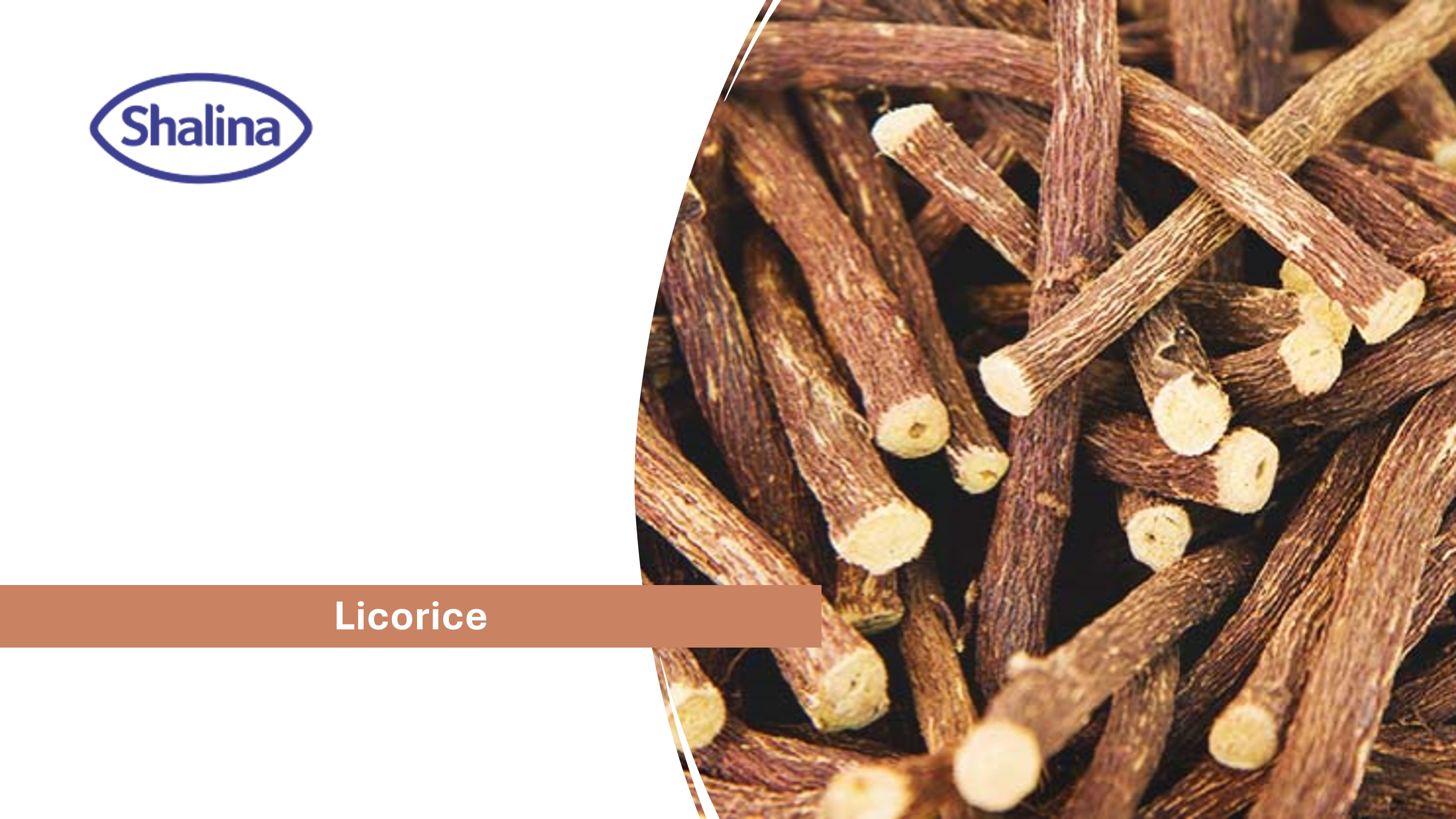
Licorice (Glycyrrhiza glabra), also known as sweet root, is an herbal remedy commonly used to relieve dyspepsia. It has antispasmodic, anti-inflammatory, and soothing properties and may promote peptic ulcer healing by inhibiting prostaglandin metabolism. Use is contraindicated in hypersensitivity and not recommended during pregnancy or breastfeeding. Caution is advised in patients with heart, kidney, or electrolyte disorders, as excessive intake can cause hypertension, hypokalemia, or arrhythmias. Licorice may interact with diuretics, cardiac glycosides, antihypertensives, and warfarin. Regular monitoring is recommended during prolonged use to ensure safety and effectiveness.

Published Date