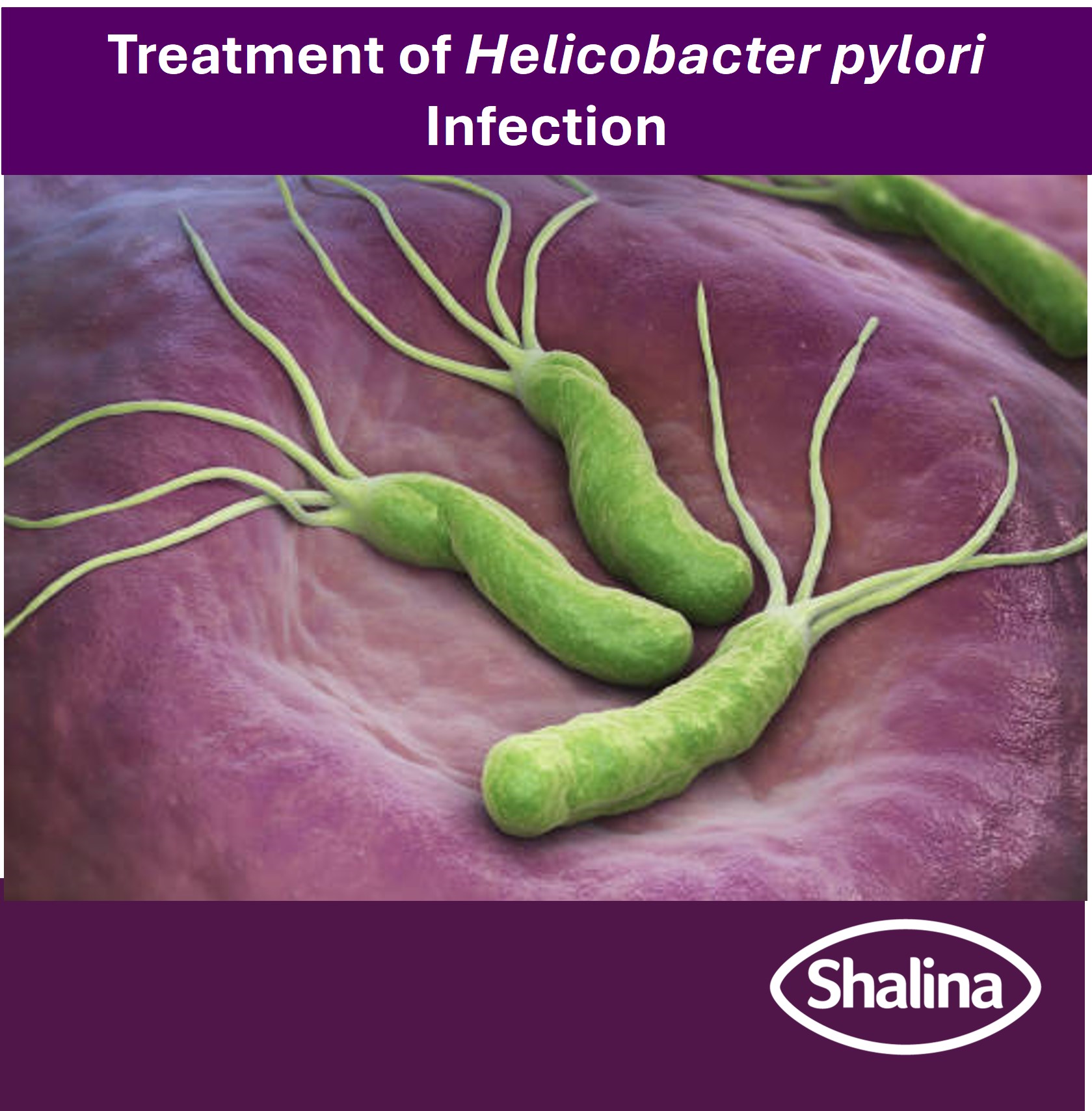
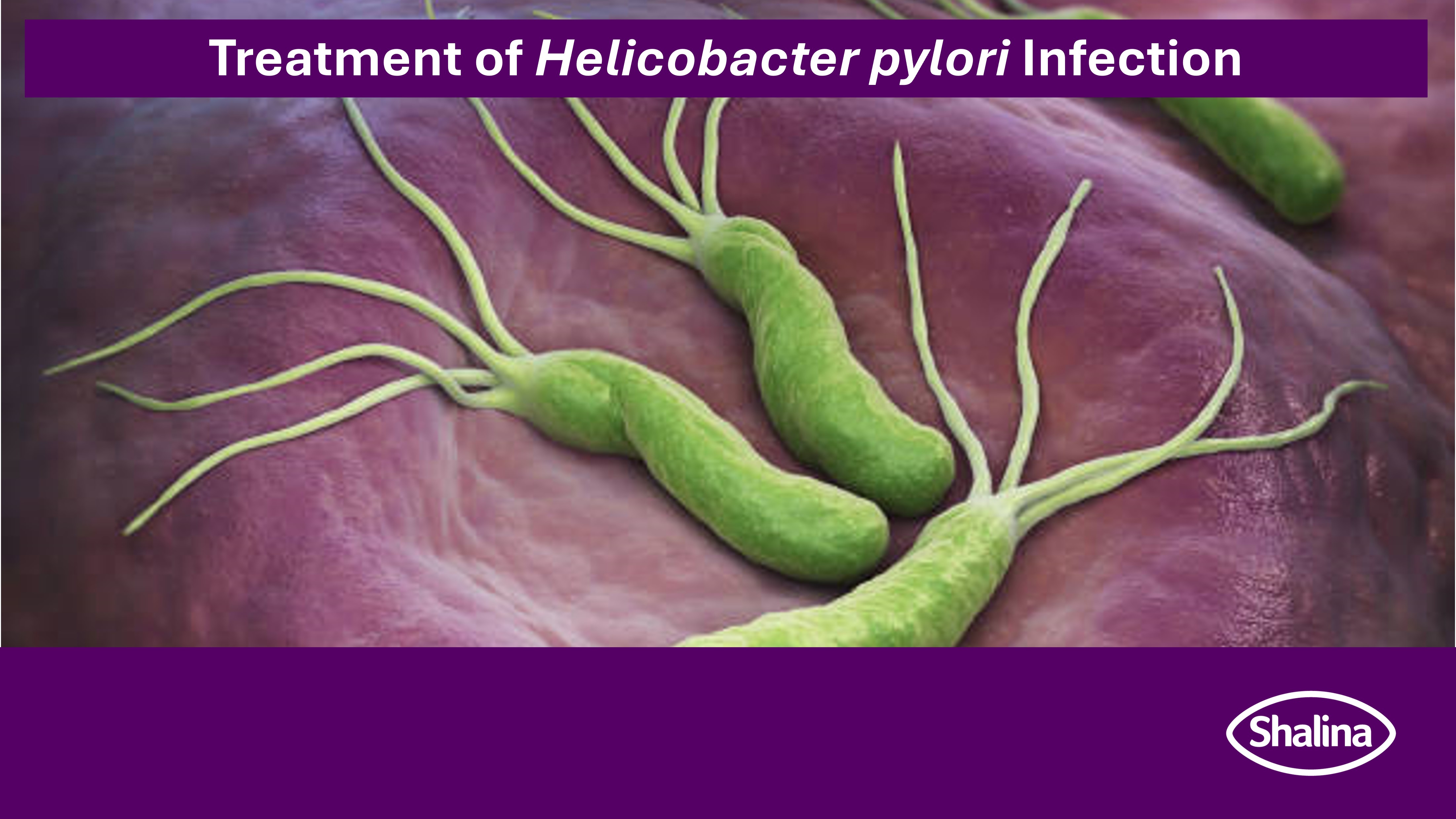
Treatment of Helicobacter pylori Infection

Select Content Type
Resources
Authored By
Shalina MedSpace
Authored On
Interests
Cardiology
Dermatology
Emergency Medicine
Endocrinology
ENT
Gastroenterology
Hematology
Immunology Allergy & Inflammation
Infectious Disease & Vaccines
Internal/Family Medicine
Neurology
Obstetrics & Gynecology
Oncology
Ophthalmology
Orthopedic
Pain & Anesthesiology
Pediatric Medicine
Psychiatry
Pulmonology
Radiology
Rheumatology
Surgery
Urology & Nephrology
Speciality
Cardiology
Dentistry
Dermatology
Emergency Medicine
Endocrinology
ENT
Gastroenterology
Geriatrics
Hematology
Immunology Allergy & Inflammation
Infectious Disease & Vaccines
Internal/Family Medicine
Medical Genetics
Neurology
Obstetrics & Gynecology
Oncology
Ophthalmology
Orthopedic
Pain & Anesthesiology
Pathology
Pediatric Medicine
Pharmacology
Psychiatry
Public Health
Pulmonology
Radiology
Rheumatology
Surgery
Urology & Nephrology
Thumbnail Image
treatment_thumbnail
Detail Image
treatment_mobile
Book Detail
Actions
Download in App
Countries of release
India
Nigeria
UAE
IS_Ebsco
false
Description

Eradication of Helicobacter pylori is now the standard of care in managing peptic ulcer disease, but treatment remains challenging due to multiple drug combinations with variable efficacy and tolerability. A literature review confirms that 7–14 day regimens combining a proton pump inhibitor with metronidazole and clarithromycin are both effective and well tolerated. However, rising antibiotic resistance—particularly to clarithromycin—poses an increasing threat, making antibiotic sensitivity testing essential for future management. Despite these challenges, current regimens remain effective.

Published Date