Low-Dose Aspirin for Preventing Recurrent Venous Thromboembolism

Select Content Type
Resources
Authored By
Shalina MedSpace
Authored On
Interests
Cardiology
Dermatology
Emergency Medicine
Endocrinology
ENT
Gastroenterology
Hematology
Immunology Allergy & Inflammation
Infectious Disease & Vaccines
Internal/Family Medicine
Neurology
Obstetrics & Gynecology
Oncology
Ophthalmology
Orthopedic
Pain & Anesthesiology
Pediatric Medicine
Psychiatry
Pulmonology
Radiology
Rheumatology
Surgery
Urology & Nephrology
Speciality
Cardiology
Dentistry
Dermatology
Emergency Medicine
Endocrinology
ENT
Gastroenterology
Geriatrics
Hematology
Immunology Allergy & Inflammation
Infectious Disease & Vaccines
Internal/Family Medicine
Medical Genetics
Neurology
Obstetrics & Gynecology
Oncology
Ophthalmology
Orthopedic
Pain & Anesthesiology
Pathology
Pediatric Medicine
Pharmacology
Psychiatry
Public Health
Pulmonology
Radiology
Rheumatology
Surgery
Urology & Nephrology
Thumbnail Image
asprin_thumbnail
Detail Image
asprin_mobile
Book Detail
Actions
Download in App
Countries of release
India
Nigeria
UAE
IS_Ebsco
false
Description

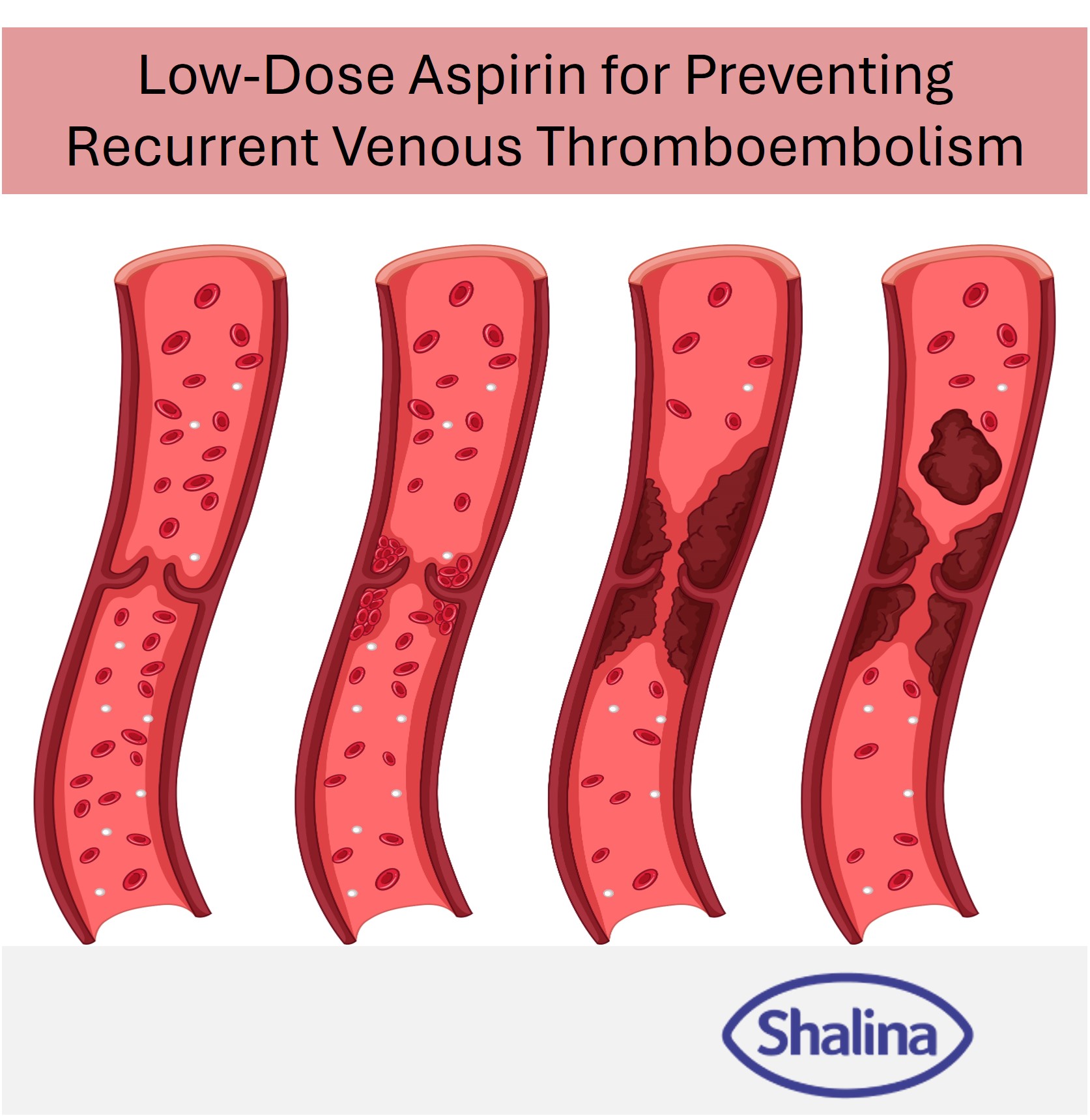
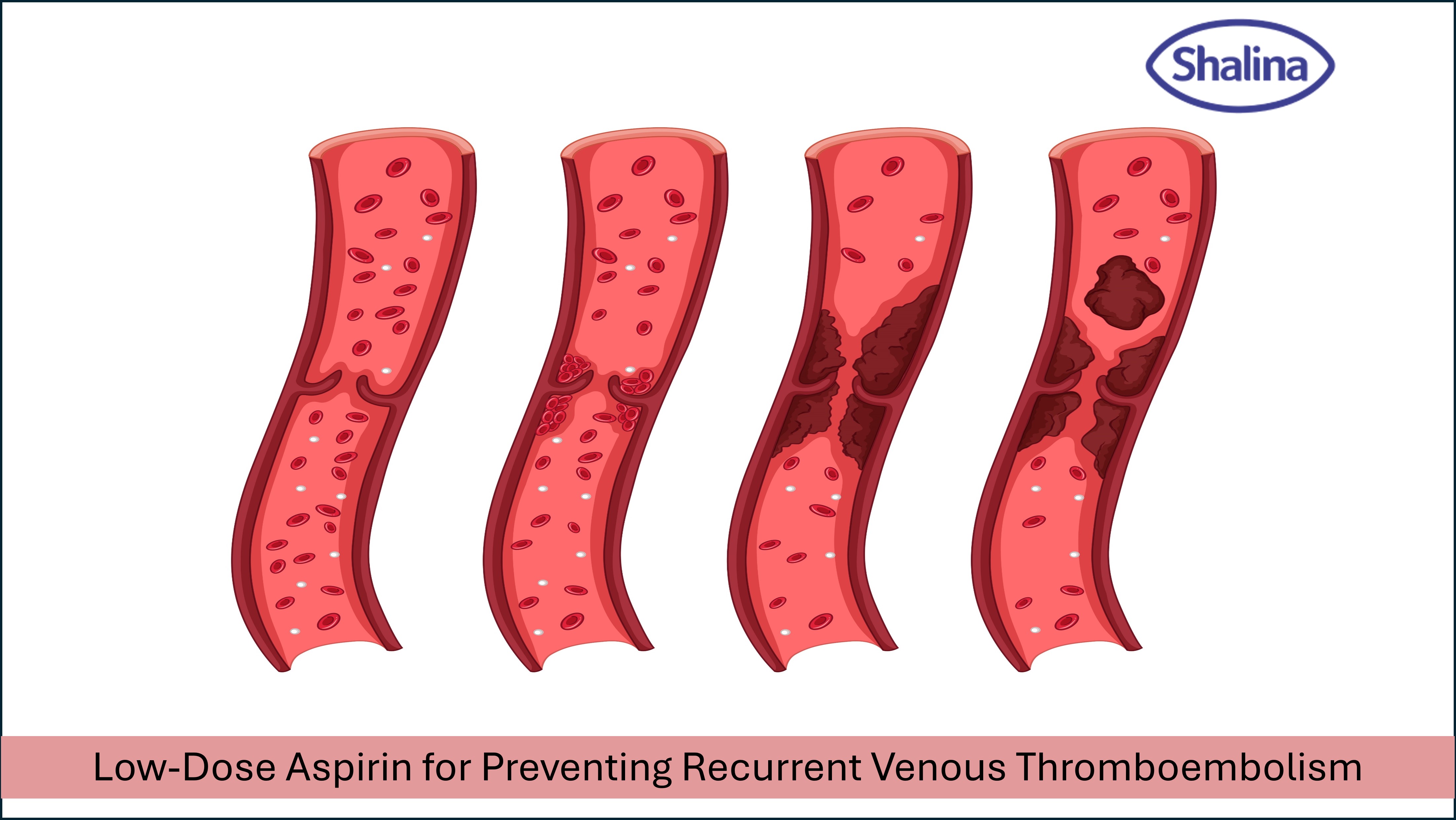
Aspirin has been investigated as a low-risk option to prevent recurrence in patients with unprovoked venous thromboembolism (VTE) after initial anticoagulant therapy. In a randomized trial of 822 patients, aspirin (100 mg daily) did not significantly reduce the recurrence of VTE compared to placebo. However, aspirin significantly lowered the risk of major vascular events including VTE, myocardial infarction, stroke, or cardiovascular death by 34%, and reduced the broader composite of vascular events and all-cause mortality by 33%. Bleeding risks and serious adverse events were similar between groups. These findings support aspirin’s potential benefit in reducing overall vascular risk following anticoagulation for unprovoked VTE.

Published Date