
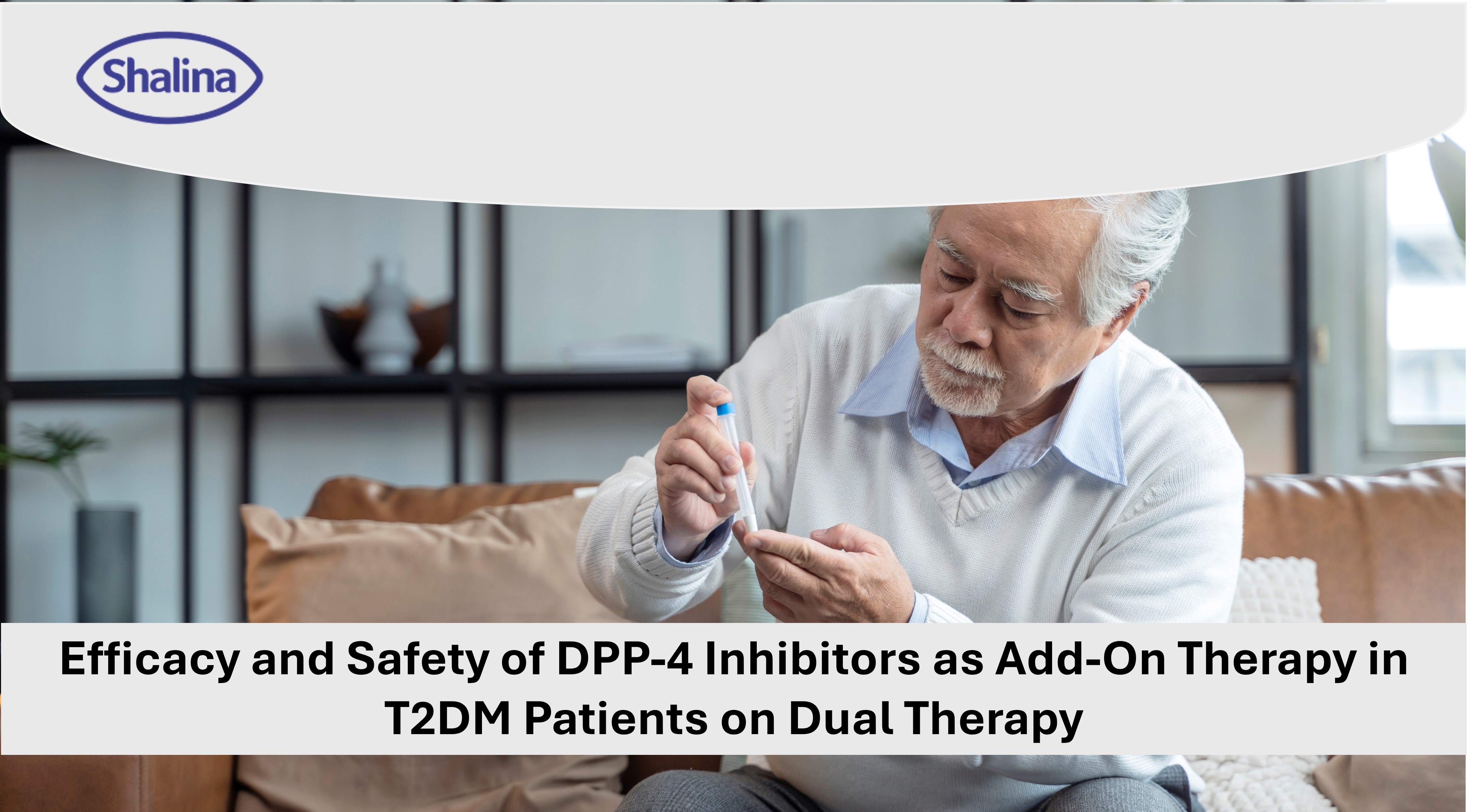
A randomized study assessed the efficacy and safety of three DPP-4 inhibitors vildagliptin, sitagliptin, and linagliptin as add-on therapy in 535 Chinese patients with type 2 diabetes mellitus inadequately controlled on insulin plus a traditional oral hypoglycemic agent. Over 12 weeks, all three drugs significantly improved glycemic control, reducing HbA1c as well as fasting and postprandial glucose levels.
Vildagliptin achieved the greatest reduction in HbA1c, with the highest proportion of patients reaching target HbA1c (66.3%) and the lowest insulin requirement at weeks 6 and 12.
Sitagliptin and linagliptin also showed improvements, though to a lesser degree.
All treatments were well tolerated, with only mild adverse events reported. These findings suggest that while all three DPP-4 inhibitors are effective and safe as add-on therapy, vildagliptin may offer superior benefits in glycemic control and insulin dose reduction.
Select Content Type
Resources
Interests
Cardiology
Dermatology
Emergency Medicine
Endocrinology
ENT
Gastroenterology
Hematology
Immunology Allergy & Inflammation
Infectious Disease & Vaccines
Internal/Family Medicine
Neurology
Obstetrics & Gynecology
Oncology
Ophthalmology
Orthopedic
Pain & Anesthesiology
Pediatric Medicine
Psychiatry
Pulmonology
Radiology
Rheumatology
Surgery
Urology & Nephrology
Speciality
Cardiology
Dentistry
Dermatology
Emergency Medicine
Endocrinology
ENT
Gastroenterology
Geriatrics
Hematology
Immunology Allergy & Inflammation
Infectious Disease & Vaccines
Internal/Family Medicine
Medical Genetics
Neurology
Obstetrics & Gynecology
Oncology
Ophthalmology
Orthopedic
Pain & Anesthesiology
Pathology
Pediatric Medicine
Pharmacology
Psychiatry
Public Health
Pulmonology
Radiology
Rheumatology
Surgery
Urology & Nephrology
Thumbnail Image

Detail Image
Book Detail
Upload PDF
Actions
Download in App
Countries of release
India
Nigeria
UAE
IS_Ebsco
false
Description